

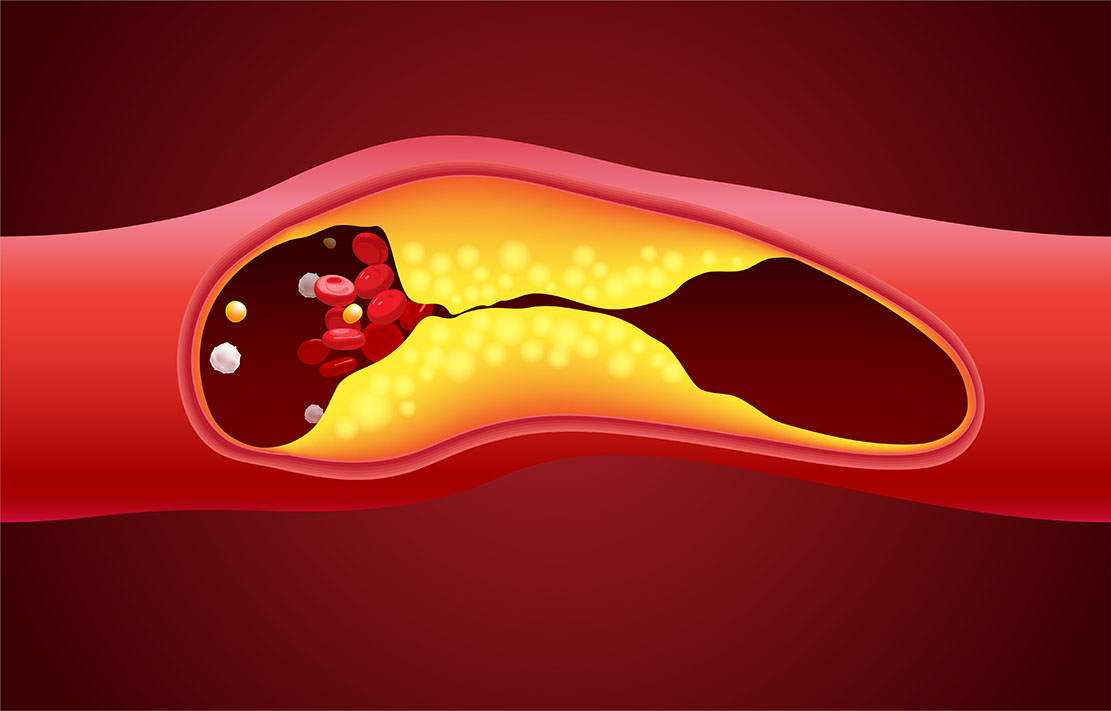
Cholesterol levels are very commonly monitored by doctors, leading many to assume that cholesterol is “bad” and should not be in the body at all. However, cholesterol is not inherently bad, and problems only arise when cholesterol levels become too high.
Cholesterol is a waxy substance used to build cells and make hormones and vitamins. Because of this role, some cholesterol is needed in the body. However, the key is to make sure that cholesterol does not get to be too high.
There are two sources of cholesterol: the liver and food from animals. The liver creates all the cholesterol that the body needs, though, so any cholesterol absorbed from animal foods increases the amount of cholesterol in the body towards unnecessary levels.
Foods with dietary cholesterol include:
Not only do these foods have cholesterol, but they are also high in trans and saturated fats, which cause the liver to go into overdrive in terms of cholesterol production, producing even more cholesterol than the body needs.
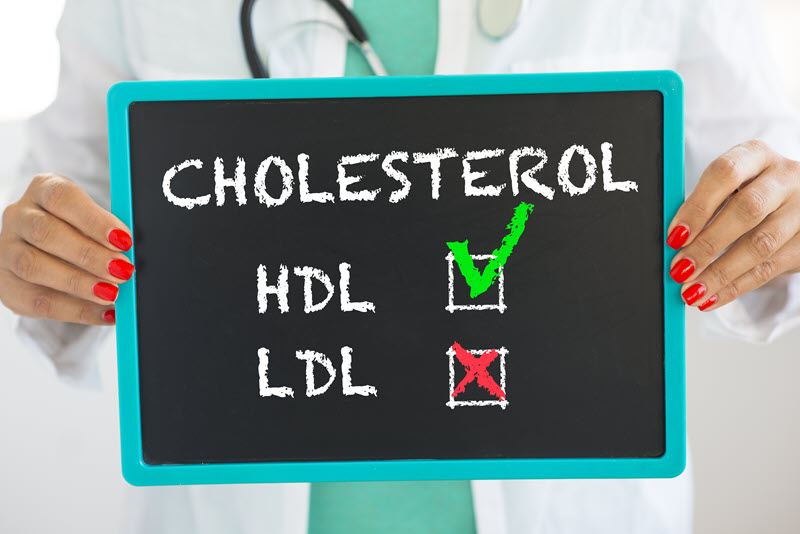
There are two types of cholesterol, which is often where the terms “good cholesterol” and “bad cholesterol” come from; LDL cholesterol is bad, and HDL cholesterol is good. It’s crucial to maintain a proper balance between these two types of cholesterols as too much bad cholesterol, or not enough good cholesterol, can increase the amount of cholesterol in the body.
LDL cholesterol is considered “bad” because it contributes to the fatty buildup in the arteries. Conversely, HDL cholesterol is considered “good” because it carries LDL cholesterol away from the arteries and towards the liver, which then breaks down LDL cholesterol and removes it from the body. However, HDL cholesterol is not perfect and can only carry one-third to one-fourth of blood cholesterol, which is why a proper balance between the two is necessary.
High cholesterol is often associated with heart disease because cholesterol circulates in the blood. When it reaches high levels, specifically when bad cholesterol is high, it can build up on the inner walls of the arteries, which supply blood and nutrients to the heart and brain.
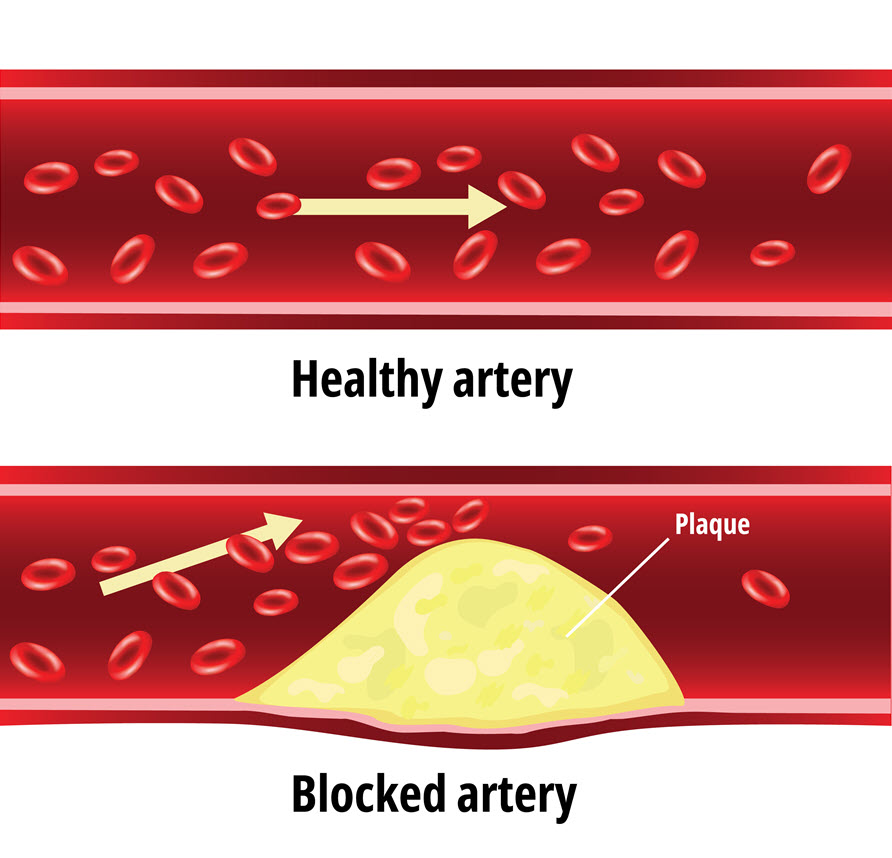
Cholesterol joins with triglycerides, the most common type of fat in the body, to create this plaque on the inside of the arteries, which can cause the arteries to narrow and become less flexible, a condition called atherosclerosis. Additionally, if a blood clot forms, it becomes more likely for it to block a narrow artery, which can cause a heart attack or stroke, depending on if blood flow to the heart or brain is blocked.
Heart disease is the leading cause of death worldwide, making it all the more important to do what we can to lessen its risk. Keeping cholesterol levels within a healthy range is the most important action we can control to reduce the risk of heart disease.
The following lifestyle changes can help lower and control your cholesterol level:
Another easy way to lower your total cholesterol, LDL (bad) cholesterol, and triglycerides is with True Vine’s CNMN. Try our liquid Ceylon cinnamon today and see the benefits it offers to your cholesterol levels and overall health!
What is Cholesterol?. (2022). Retrieved 26 May 2022, from https://www.heart.org/en/health-topics/cholesterol/about-cholesterol
Cholesterol Levels: What You Need to Know. (2020). https://medlineplus.gov/cholesterollevelswhatyouneedtoknow.html
Cardiovascular diseases. (2021). Retrieved 26 May 2022, from https://www.who.int/health-topics/cardiovascular-diseases#tab=tab_1
How to Lower Cholesterol. (2019). https://medlineplus.gov/howtolowercholesterol.html
Maierean, S., Serban, M., Sahebkar, A., Ursoniu, S., Serban, A., Penson, P., & Banach, M. (2017). The effects of cinnamon supplementation on blood lipid concentrations: A systematic review and meta-analysis. Journal Of Clinical Lipidology, 11(6), 1393-1406. doi: 10.1016/j.jacl.2017.08.004
Luo, J., Yang, H., & Song, B. (2019). Mechanisms and regulation of cholesterol homeostasis. Nature Reviews Molecular Cell Biology, 21(4), 225-245. doi: 10.1038/s41580-019-0190-7

As the weather shifts from cold to warm, the chances for getting sick increases. Recent years have shown us that…
When your doctor tells you to reduce your cholesterol levels, it’s important to listen. While you work on a plan…
Cinnamon is a delicious addition to our desserts or our morning coffee, but did you know that it also has…
Nature has been a long provider of what our body needs and desires. True Vine Organics utilizes the powers that…

True Vine Organics LLC- The Best Natural Cinnamon Company Cinnamon has been used as a substitute for sugar and is…

Why Our True Vine Cinnamon Is The Best On The Market The immune system is an incredibly complex aspect of…